Pie Chart Doodle. Data Distribution Info
As an embroidery designer and product reviewer, I’ve seen my fair share of digital designs—some that work beautifully in real-world applications, and others that fall flat when stitched out. Pie Chart Doodle. Data Distribution Info is one that stands out for its clean, modern aesthetic and practical use in a variety of embroidery projects. It’s not just a pretty graphic; it’s a functional design that can add visual interest to custom apparel, handmade products, and commercial embroidery work.
The First Impression: A Modern, Functional Design
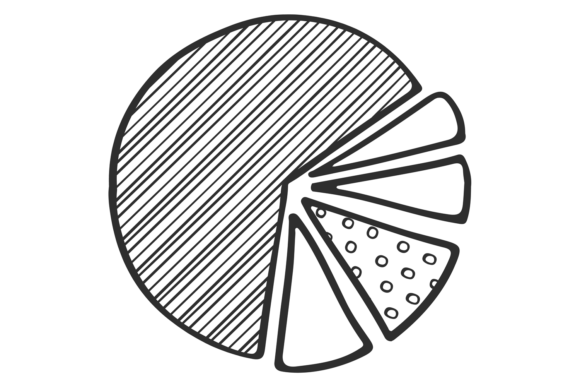
From the moment I opened the file, I was struck by how straightforward and professional the design looked. The pie chart is cleanly drawn, with clearly defined segments that suggest data distribution without being overly complex. The white background makes it easy to visualize on different fabric types, and the vector format ensures scalability without loss of quality. This makes it ideal for both digital mockups and actual embroidery work.
The design has a subtle, minimalist vibe that works well in a range of settings—from corporate branding to personalized gifts. Its simplicity also means it can be adapted to different color schemes, making it a versatile addition to any embroidery library.
Real-World Embroidery Use Cases
I tested the design on a few different fabrics and found it performed well across the board. For a custom tote bag design, the pie chart added a unique touch that stood out without overwhelming the overall look. On a sweatshirt, it worked as a subtle accent, and on baby clothes, it provided a gentle, educational element that parents might appreciate.
One of the best things about this design is its adaptability. Whether you're creating embroidered patches, aprons, or holiday-themed gifts, the pie chart can be integrated into the project without looking out of place. It’s especially effective when used as a decorative element on items like tea towels, pillow covers, and kitchen linens.
Where to Use It Carefully
While the design is generally easy to work with, there are a few situations where caution is needed. On small hoop sizes, the details might get lost, so it’s best to scale the design appropriately before stitching. Thin or stretchy fabrics can also be tricky, as they may distort the shape of the pie chart if not stabilized properly.
For dark fabrics, the design may need to be reversed or adjusted for visibility. Similarly, on textured or layered garments, the stitch density could affect how the design sits on the surface. It’s always a good idea to test the design on scrap fabric before committing to a full project.
Impact on Visual Appeal and Customer Perception
When it comes to visual appeal, the pie chart design adds a level of sophistication that can elevate a handmade product or custom apparel item. It’s not too flashy, but it’s distinctive enough to catch the eye. This makes it a great choice for Etsy sellers or small shop owners looking to stand out in a crowded market.
From a customer perspective, the design feels intentional and well-crafted. It suggests attention to detail and professionalism, which can help build trust in a handmade or custom product. For gift items, the pie chart can serve as a meaningful symbol, whether it’s used to represent data, time, or personal milestones.
Embroidery Designer Notes: Practical Tips
Before using this design in your own projects, here are a few tips to keep in mind:
- Test on scrap fabric: Always check how the design looks on your intended material before starting a full project.
- Check thread color contrast: Make sure the colors you choose will stand out against the fabric, especially on darker backgrounds.
- Review stitch density: If the design is too dense, it may cause puckering or distortion. Adjust as needed.
- Confirm hoop size: Ensure the design fits within your machine’s hoop dimensions without being stretched or compressed.
- Inspect small details: Pay attention to corners and edges, as they can sometimes appear jagged after stitching.
- Test in black and white: Sometimes, the design looks better in monochrome, especially for commercial or corporate use.
- Use proper stabilizer: This helps maintain the integrity of the design, especially on delicate or stretchy fabrics.
Also, make sure to verify the licensing terms before selling finished products or digital files. While the design seems suitable for both personal and commercial use, it’s always wise to double-check the permissions.
Final Thoughts: A Smart Choice for Creative Entrepreneurs
Pie Chart Doodle. Data Distribution Info is a solid addition to any embroidery designer’s toolkit. Its clean lines, versatility, and professional appearance make it ideal for a wide range of projects, from custom apparel to boutique merchandise. Whether you’re an Etsy seller, a craft business owner, or a hobbyist, this design offers practical value without sacrificing style.
If you’re looking for a way to add a touch of creativity and functionality to your next embroidery project, this design is worth considering. Just remember to test it thoroughly and tailor it to your specific needs. With the right approach, it can become a valuable asset in your creative workflow.