Information Brochures Layout Design
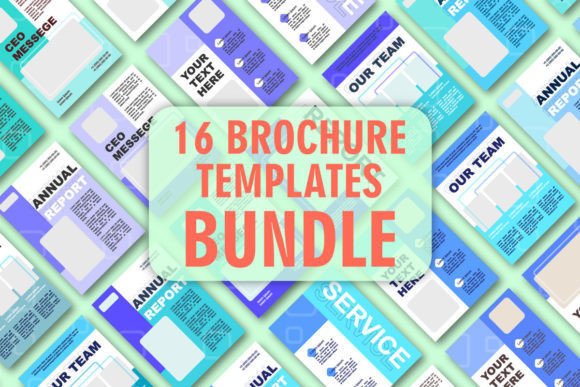
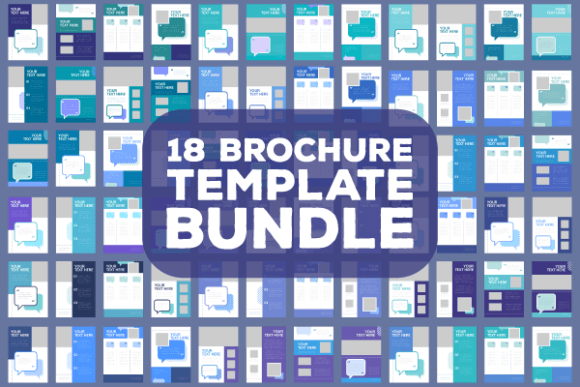
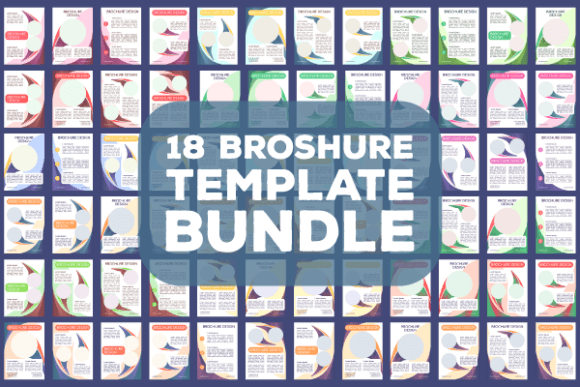
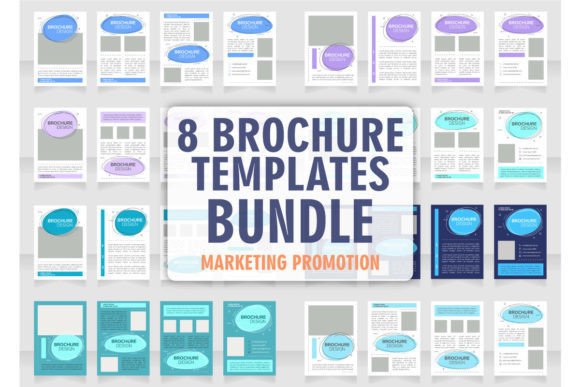
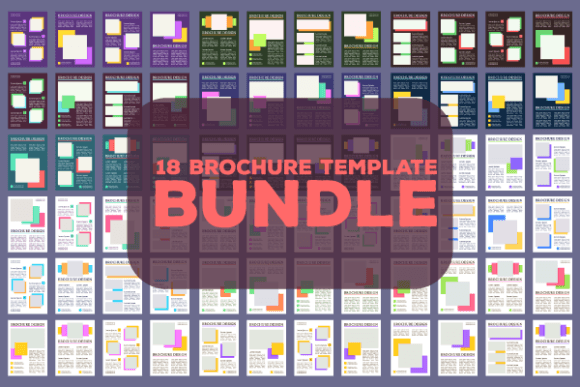
As an embroidery designer with years of experience, I always start by evaluating a design’s potential before committing it to a project. Information Brochures Layout Design caught my attention for its clean, professional aesthetic and versatility across various applications. It’s a set of 18 universal brochures that could easily translate into a range of embroidered items, from custom apparel to promotional materials.
First Impressions: A Clean, Professional Look
The first thing I noticed about Information Brochures Layout Design is its structured, no-nonsense approach. The vertical poster templates are designed with empty copy space, making them ideal for adding text or logos. The premade corporate reports collection suggests a focus on clarity and readability, which is essential for any embroidery project that needs to communicate a message effectively.
The layout feels modern and adaptable, with a neutral color palette that works well on both light and dark fabrics. The detail level is moderate—enough to add visual interest without being overwhelming. This makes it suitable for a wide range of embroidery projects, from simple logos to more intricate designs.
Real-World Use: Custom Apparel and More
I tested Information Brochures Layout Design on a few different fabrics to see how it would perform in real-life situations. On a cotton tote bag, the design looked sharp and professional, especially when using a combination of satin stitch and fill stitch. The layout allowed for clear text placement, making it easy to customize for a client’s brand or message.
On a sweatshirt, the design maintained its integrity, though I noticed that the stitch density needed careful adjustment to avoid puckering on stretchy fabric. For baby clothes, the design was too busy for my taste, but it could work well with simpler text or a smaller logo. In both cases, the design’s versatility shone through.
For a personalized gift, like an embroidered pillow cover, the design provided a polished look that felt handmade yet professional. It worked well with a mix of thread colors, allowing for creative customization without losing the original structure.
Where to Be Cautious: Fabric and Design Limitations
While Information Brochures Layout Design is versatile, there are some limitations to consider. On small hoop sizes, the design becomes challenging to stitch accurately, especially in areas with fine details or tiny lettering. For this reason, I’d recommend using a larger hoop or breaking the design into sections if working on a tight space.
Textured fabrics, such as denim or canvas, can sometimes make the design appear less crisp. Thin or stretchy fabrics may also cause issues with stitch density and stability. In these cases, a good stabilizer is essential to prevent distortion during the stitching process.
Dark fabrics can be a challenge for certain parts of the design, particularly where light-colored threads are used. I found that adjusting the thread colors or using a contrasting shade helped improve visibility. For layered garments or curved surfaces like caps, the design requires careful placement to ensure it sits correctly and doesn’t get distorted during wear.
Impact on Visual Appeal and Customer Perception
Information Brochures Layout Design adds a level of professionalism to any project it’s used on. When stitched onto a custom apparel piece, it elevates the overall look, making the finished product feel more premium. This can increase customer trust and satisfaction, especially for small business owners or Etsy sellers looking to stand out in a crowded market.
For handmade products, the design offers a consistent and polished appearance that aligns with brand identity. Whether it’s a boutique product or a holiday gift, the design helps create a cohesive look that customers will appreciate. Its adaptability also makes it a great choice for printable mockups or digital product previews, allowing designers to showcase their work effectively.
Practical Tips for Embroidery Designers
Before finalizing any project with Information Brochures Layout Design, I recommend testing it on scrap fabric. This allows you to see how the design looks in practice and make any necessary adjustments. Checking thread color contrast is also important—especially if you’re using light or dark fabrics.
Reviewing the stitch density is crucial to ensure the design isn’t too dense or too sparse. A design that’s too dense can cause puckering, while one that’s too sparse may look incomplete. Confirming the hoop size required for the design is another key step, especially if you’re working with limited space.
Inspecting small details like corners and lettering can save time later. Testing the design in black and white mockups helps identify any issues with visibility or clarity. Comparing it on both light and dark fabric backgrounds ensures it works in a variety of settings.
Using the right stabilizer is essential for maintaining the design’s shape and preventing distortion. Whether you’re working on a personal project or a commercial one, it’s important to confirm that the design meets your needs and that the licensing terms allow for the intended use.
Final Thoughts: A Versatile Addition to Any Designer’s Toolkit
Information Brochures Layout Design is a solid choice for embroidery designers, small business owners, and crafters looking for a reliable and adaptable template. Its clean layout and professional look make it suitable for a wide range of projects, from custom apparel to promotional materials.
While it has some limitations, particularly on certain fabrics or in small hoop sizes, its overall performance is strong. With proper preparation and testing, it can become a valuable part of your design assets. Whether you’re creating a handmade product, a personalized gift, or a commercial embroidery project, this design offers practical value and flexibility.