Pie Chart Color Line Template. Infograph
As an embroidery designer and product reviewer, I’ve seen my fair share of digital files that promise a lot but deliver little. The Pie Chart Color Line Template. Infograph falls into the category of design assets that have clear potential—but only if used thoughtfully. This infographic-style template is ideal for those looking to add a clean, professional touch to custom apparel, personalized gifts, or small business merchandise. But like any design, it needs to be evaluated carefully before being stitched onto fabric.
First Impressions: A Clean, Professional Look
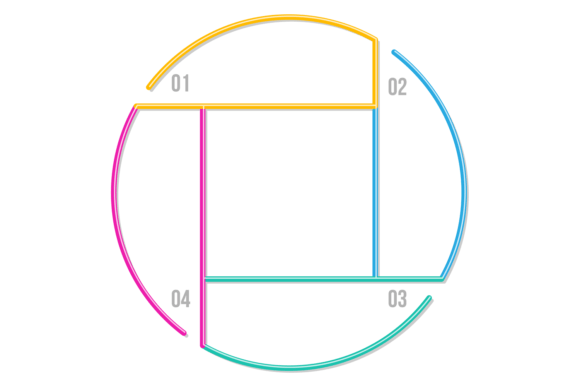
The Pie Chart Color Line Template. Infograph immediately gives off a modern, organized vibe. The isolated white background makes it easy to visualize how it would look on different fabrics, and the line-based structure suggests it’s meant for clarity rather than intricate detail. It’s not a busy design—it’s straightforward, which means it can work well in a variety of settings, from corporate branding to personal projects.
The shape is geometric and precise, which makes it suitable for machine embroidery designs that require accuracy. Whether you’re working on a tote bag design, a sweatshirt embroidery, or a baby item, this template could fit naturally. It has a subtle visual personality that doesn’t overpower the garment, making it a good choice for understated elegance.
Real-World Use: When Does It Shine?
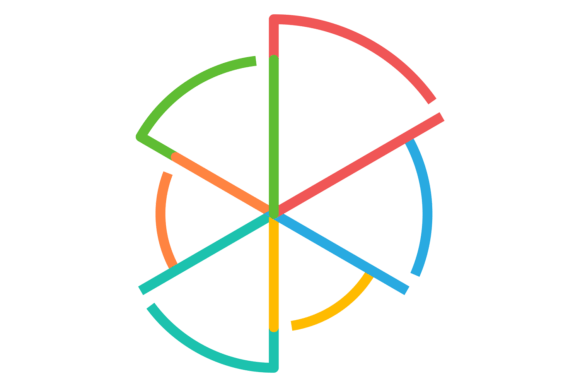
I recently tested this design on a custom embroidered tote bag for a client who wanted a minimalist yet informative look. The pie chart format worked well for showing data or percentages, and the line-based structure made it easy to stitch without too much complexity. It didn’t require dense stitch areas, which is a plus for beginners or those working with limited hoop sizes.
This design also pairs well with other elements. For example, adding a few lines of text or a logo next to the pie chart can create a more complete visual message. It’s great for commercial embroidery projects where simplicity and professionalism are key. If you’re running a craft business or selling handmade products on Etsy, this could be a useful addition to your design library.
When to Be Cautious: Limitations and Considerations
While the Pie Chart Color Line Template. Infograph is versatile, there are some situations where it might not perform as well. For instance, if you're working with small hoop sizes, the design might feel too large or require multiple hooping sessions. That can be time-consuming and may affect the overall stitching quality.
It also isn’t the best choice for textured fabrics or thin materials. The line-based structure might not show up clearly on stretchy or dark fabrics, and the lack of fill stitches could make it look washed out. If you’re planning to use this on a cap or a curved surface, you’ll need to adjust the design or consider alternative formats.
Another thing to note is that the design doesn’t include any text. If you want to use it for a personalized gift or a custom apparel project, you’ll need to pair it with additional elements or modify the file to include labels or numbers.
Designing with Purpose: What Makes a Good Embroidery File?
As someone who reviews embroidery files regularly, I always ask myself: does this design help the end user? The Pie Chart Color Line Template. Infograph is functional, but it requires careful consideration. It’s not a one-size-fits-all solution. You’ll need to test it on scrap fabric first to see how the thread colors interact with the design and how the stitch density affects the final result.
One of the most important things to check is whether the design works on both light and dark backgrounds. Since it’s isolated on a white background, it might not translate well to darker fabrics without adjusting the color scheme. Also, make sure the design is compatible with your embroidery machine and software. If you’re using it for a printable mockup or a digital product preview, ensure the file format (EPS, JPG, SVG, or transparent PNG) meets your needs.
Practical Tips for Using This Design
- Test on scrap fabric: Always check how the design looks on the actual material you plan to use. This helps identify issues with thread contrast or stitch density.
- Review stitch density: If the design is too dense, it might cause puckering or distortion on certain fabrics.
- Confirm hoop size: Make sure the design fits within your hoop dimensions to avoid multiple hooping sessions.
- Use proper stabilizer: Especially important for delicate or stretchy fabrics to prevent shifting during stitching.
- Check licensing: If you plan to sell finished products or digital files, confirm that the design allows for commercial use.
Final Thoughts: A Useful Tool for the Right Project
The Pie Chart Color Line Template. Infograph is a solid choice for designers and small business owners looking for a clean, professional design element. It’s not flashy, but it’s reliable—especially when used in the right context. Whether you're creating a custom apparel piece, a holiday gift, or a boutique product, this design can add value when applied correctly.
It’s not perfect for every situation, but when used with care, it can enhance the visual appeal of your embroidered items. As with any machine embroidery design, the key is to understand its strengths and limitations before committing to a project. With the right approach, the Pie Chart Color Line Template. Infograph can be a valuable part of your design arsenal.