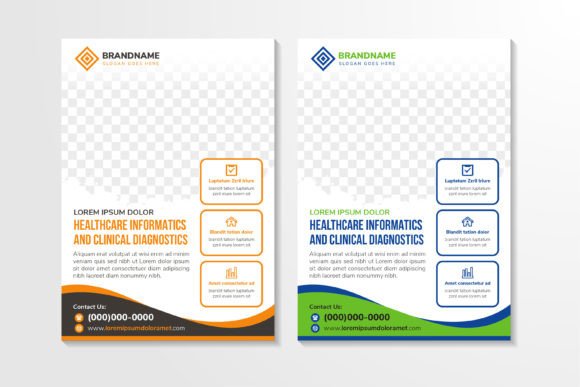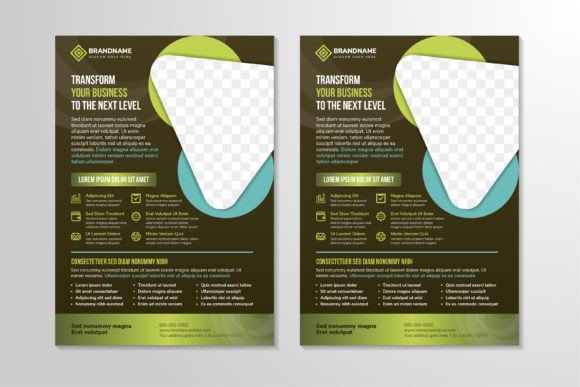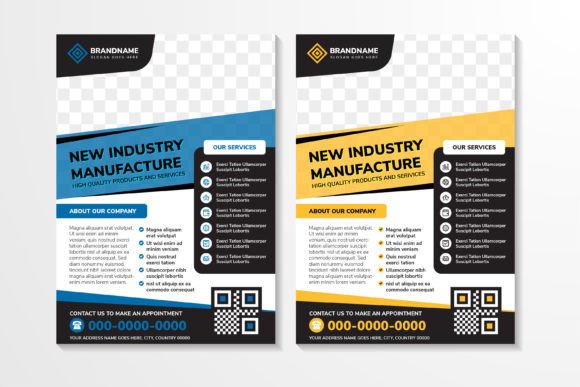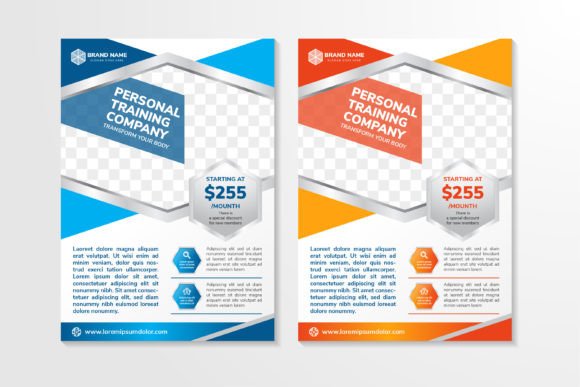
Wastewater Industry Vertical Flyer: Graphics & Print Templates
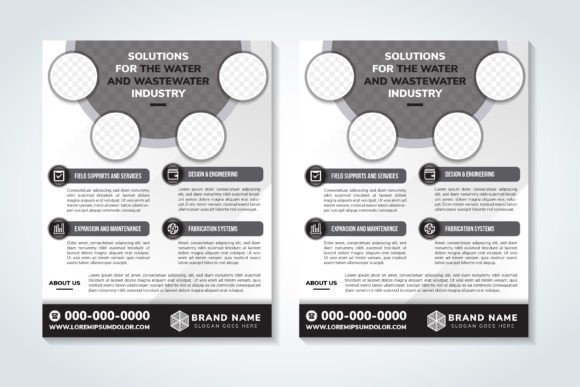
The Wastewater Industry Vertical Flyer is a versatile graphic design asset that offers a clean, professional foundation for marketing and branding efforts. Its vector layout and diagonal grey gradient pattern provide a modern aesthetic that can be adapted to a variety of creative projects. As a brand designer and content marketer, I’ve found it particularly useful for campaigns targeting the water and wastewater industry, where clarity and professionalism are essential.
First Impressions: Mood and Emotional Tone
From the first glance, the Wastewater Industry Vertical Flyer conveys a sense of order and sophistication. The diagonal grey gradient background adds depth without overwhelming the viewer, making it ideal for campaigns that require a balance between visual interest and readability. This design asset feels well-suited for commercial marketing materials, editorial graphics, and digital ads that aim to project authority and reliability.
It doesn’t lean too heavily into casual or handmade aesthetics, which makes it a strong choice for brands looking to maintain a polished image. However, it’s not so rigid that it can’t be customized for more dynamic or lifestyle-focused content. The key is to align it with the brand’s personality and messaging.
Real-World Marketing Applications
When integrated into a real-world marketing project, the Wastewater Industry Vertical Flyer proves its value across multiple touchpoints. For instance, a small business launching a new product line could use this design as a template for packaging inserts, social media graphics, or even email banners. Its A4 cover mockup format allows for easy adaptation into brochures, book designs, and other print templates.
This graphic design asset also supports brand identity efforts by offering a consistent visual language. Whether used in logo design, product labels, or editorial layouts, it helps reinforce a cohesive look that resonates with the target audience. It’s especially effective when paired with bold typography and strategic color choices that reflect the brand’s core values.
Supporting Marketing Goals
The Wastewater Industry Vertical Flyer contributes to stronger first impressions by providing a visually appealing yet uncluttered layout. Its clear visual hierarchy ensures that key messages stand out, helping to build audience trust and engagement. For small business branding, this is crucial—especially when competing in industries like water and wastewater, where credibility is paramount.
It also enhances brand recognition by offering a repeatable design element that can be used across different platforms. From Instagram posts to Facebook ads, the flyer’s structure allows for seamless integration into a broader content strategy. When used consistently, it becomes a recognizable part of the brand’s visual identity.
Best Use Cases for the Design Asset
This flyer shines in scenarios where visual consistency and professional appearance are important. Hero graphics, campaign headers, and product launch visuals benefit from its structured layout and modern appeal. It’s also a great fit for branded templates, social media covers, and content bundles that require a polished look.
For editorial design and digital product visuals, the Wastewater Industry Vertical Flyer provides a solid base that can be customized to suit specific needs. It works well as a decorative brand element, adding visual interest without detracting from the main message. In a design bundle, it can serve as a foundational piece that other elements build upon.
When to Use with Caution
While the Wastewater Industry Vertical Flyer is a powerful tool, it’s not universally applicable. In formal corporate branding, where minimalism and simplicity are key, it may feel too stylized. Similarly, in dense information layouts or small mobile graphics, the diagonal gradient could interfere with readability.
It’s also important to consider the context of the campaign. If the main message needs to dominate, the flyer’s design might compete for attention. In such cases, it’s better to simplify or remove non-essential elements. Additionally, low-contrast backgrounds or text-heavy ads may reduce the effectiveness of this design asset.
Practical Designer Notes
Before finalizing the Wastewater Industry Vertical Flyer for a campaign, I recommend testing it with the brand’s color palette. Ensure that the grey gradient complements existing hues and doesn’t clash with the overall design scheme. Black and white usage should also be reviewed to maintain contrast and legibility.
Place the design inside real campaign mockups to see how it performs in different contexts. Preview it on mobile screens to confirm that it scales well and remains readable at smaller sizes. Compare it against competitor visuals to ensure it stands out while still fitting within industry standards.
Consider how it pairs with different font styles. Serif fonts may add a traditional feel, while sans serif or display fonts can create a more modern look. Handwritten or script fonts may not pair well with the gradient background, so test those combinations carefully. Review spacing and balance to ensure the design feels harmonious and intentional.
Finally, always confirm the commercial license before using this design asset in paid campaigns, client work, or business branding. It’s a valuable resource, but proper licensing ensures that it can be used legally and safely.
Conclusion: A Strong Addition to Your Creative Toolkit
The Wastewater Industry Vertical Flyer is a flexible and professional graphic design asset that can enhance a wide range of marketing and branding efforts. Whether used as a printable design, Canva template, or part of a larger design bundle, it offers a reliable foundation for content creators and small business owners looking to elevate their visual presence.
By understanding its strengths and limitations, you can leverage this design asset to create compelling marketing visuals that resonate with your audience. With careful customization and thoughtful application, it can become a cornerstone of your brand’s visual strategy.